 DC fast
 Charging network
InCharge charging stations
A DC-heavy network: most of its stations list CCS1 and charge at 50 kW or more. 125 public stations across 15 states and 120 cities, with 223 charging stalls.
- Stations
- 125
- Charging stalls
- 223
- States
- 15
- Median price
- $0.45
What this group is
From the station recordsInCharge is the opposite shape to the AC-first networks here. CCS1 is on nearly every station, and most of them are DC fast, with a few at 150 kW or more.
Its stations are spread across well over a hundred cities rather than concentrated in one metro, so the network is worth checking wherever you are rather than only in a home city.
DC fast
72
150 kW or more
10
$0.40 or less
15of 113
Where they are
The states with the most stations in this group. Each link opens that state's page; the directory keeps this group's filter for a narrower view.
Cities with the most
Where the group clusters. A link opens the city's own guide where one exists, otherwise the directory around that city.
By place type in this group
Counts are stations, not plugs. A station can list more than one connector or network, so it can appear in more than one hub. Prices are the networks' own tariffs and can change by time of day. Counts from the directory data of October 2026.
Stations in this group
First 12 of 125DC fast DC fast
 DC fast
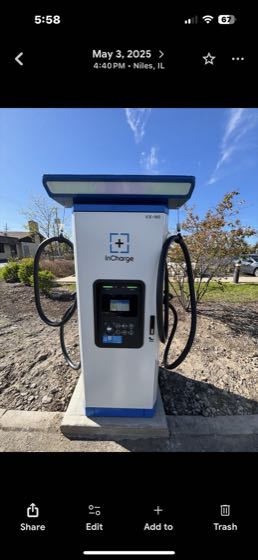 DC fast
 DC fast
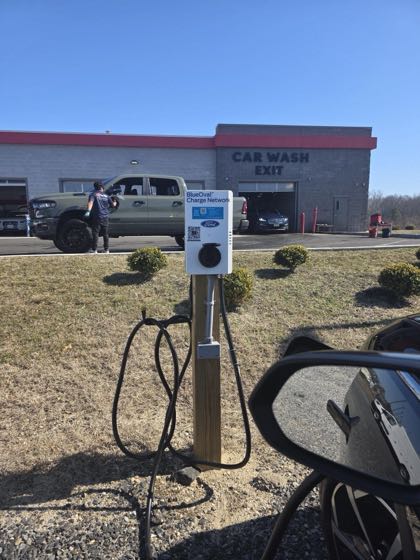 DC fast
Kindle Ford Cape May Car Wash & Detail Center
180 kW8 stalls
Middle Township, New Jersey
CCS1J1772
$1.50 /kWhInCharge
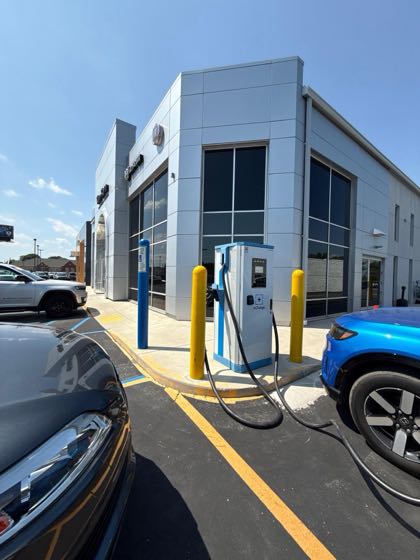 DC fast
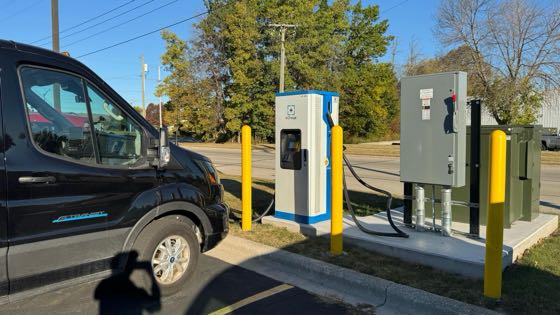 DC fast
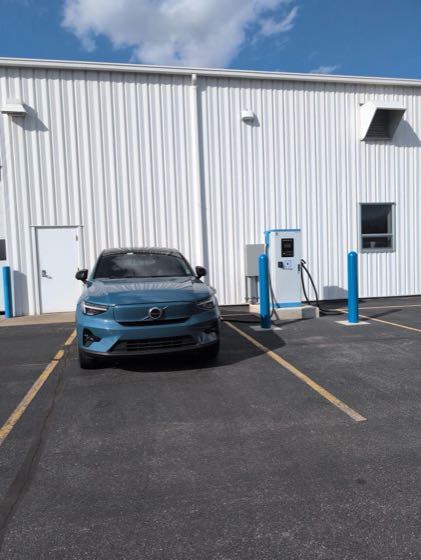 DC fast
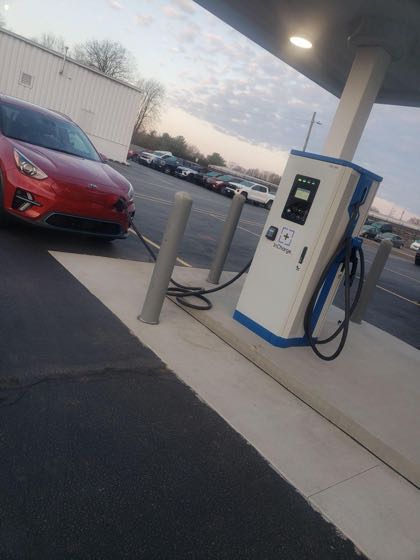 DC fast
See all 125 stations
Opens the directory with this network in the search box — then filter by state, power, price and distance.
Beyond this directory
The operator, in its own wordsInCharge Energy runs InCharge. Designs, builds and maintains charging infrastructure for fleets and commercial sites, and now sells wider energy infrastructure alongside it.
InCharge started as a fleet-electrification company and now describes itself as an integrated energy infrastructure provider — EV charging, electrical and lighting work, solar, microgrids and battery storage, run through a platform it calls InControl. That is a different business from a driver network, and the stations here show it: most are CCS1 DC fast at car washes, dealerships and commercial yards, sized for a fleet's schedule rather than a road trip.
The company reports more than 4,300 chargers deployed in 2023 alone. It is not a consumer network and publishes no driver tariff, so the per-kWh figures on these station pages are the sites' own — worth checking against the app or the sign at the charger.
inchargeus.com
Everything above is the operator's own account, read October 2026. It is not a count from this directory.
InCharge: common questions
Coverage, power and priceHow many InCharge charging stations are there?
EVDIR lists 125 public stations operated by InCharge, across 15 states and 120 cities, with 223 charging stalls. 48 of them are open around the clock.
Who owns or operates InCharge charging stations?
InCharge Energy is the company behind InCharge. Designs, builds and maintains charging infrastructure for fleets and commercial sites, and now sells wider energy infrastructure alongside it. The stations themselves are usually owned by the property they sit on, which is why the price and the opening hours differ from site to site.
Where are InCharge stations?
The most are in Illinois (18), Texas (18), Wisconsin (15). InCharge is one of 21 networks with at least 20 public stations in this directory; the smaller operators are listed on the station records they run.
How much does it cost to charge at InCharge?
113 of its stations quote a per-kWh price, with a median of $0.45 and 15 at $0.40 or less. The price is set per site, so a station in one city can cost more than the same network in another.
How fast are InCharge chargers?
4 stations are Level 2 (under 50 kW), 72 are DC fast at 50 kW or more, and 10 reach 150 kW or more. The power on a station page is the peak the record shows, not a guarantee at the plug.