 DC fast
 Charging network
Blink charging stations
A public network with a mostly AC estate and a DC fast minority, concentrated in a smaller set of states. 274 public stations across 17 states and 172 cities, with 841 charging stalls.
- Stations
- 274
- Charging stalls
- 841
- States
- 17
- Median price
- $0.49
What this group is
From the station recordsMost Blink sites in this directory are Level 2. A small share list CCS1 or CHAdeMO at 50 kW or more, so a Blink station is not a safe bet for a fast top-up unless the record says so.
The listed price varies widely between sites: a Blink charger at a hotel and one at a shopping center are priced by different owners, and some bill per hour rather than per kWh.
DC fast
32
150 kW or more
13
$0.40 or less
82of 218
Where they are
The states with the most stations in this group. Each link opens that state's page; the directory keeps this group's filter for a narrower view.
Cities with the most
Where the group clusters. A link opens the city's own guide where one exists, otherwise the directory around that city.
By place type in this group
Counts are stations, not plugs. A station can list more than one connector or network, so it can appear in more than one hub. Prices are the networks' own tariffs and can change by time of day. Counts from the directory data of October 2026.
Stations in this group
First 12 of 274DC fast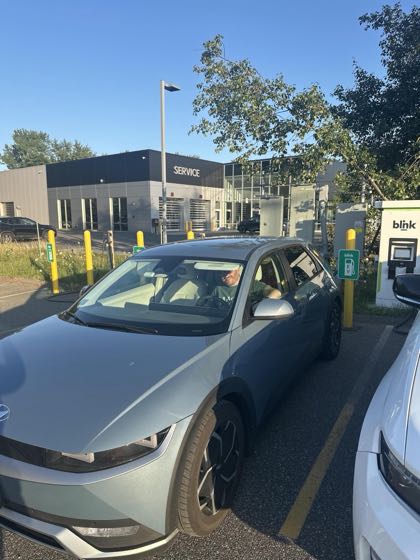 DC fast
 DC fast
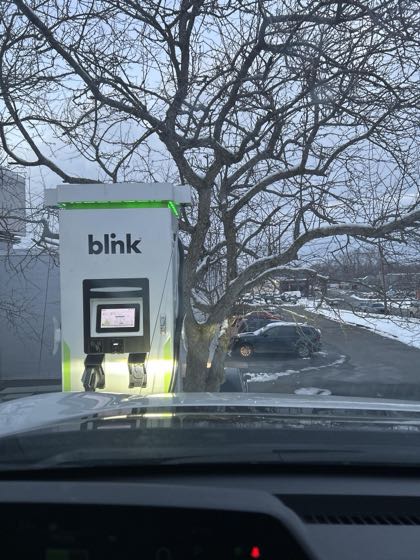 DC fast
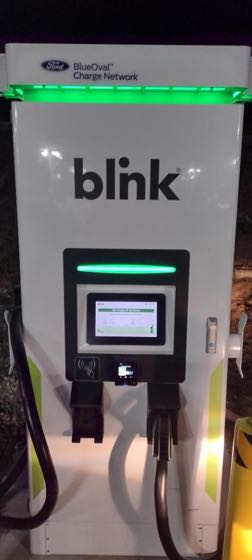 DC fast
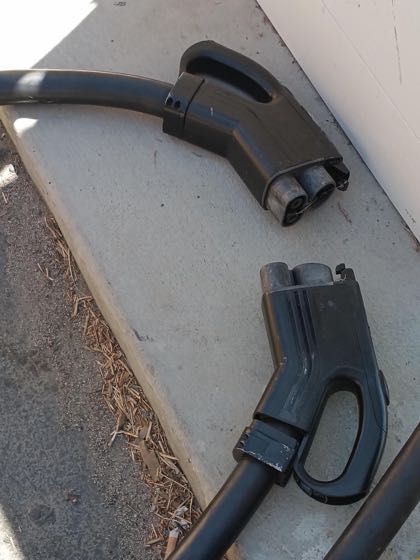 DC fast
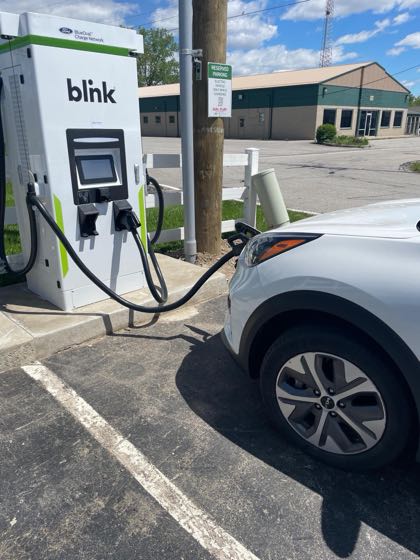 DC fast
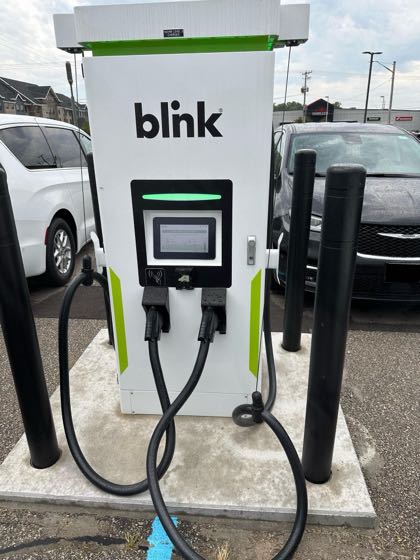 DC fast
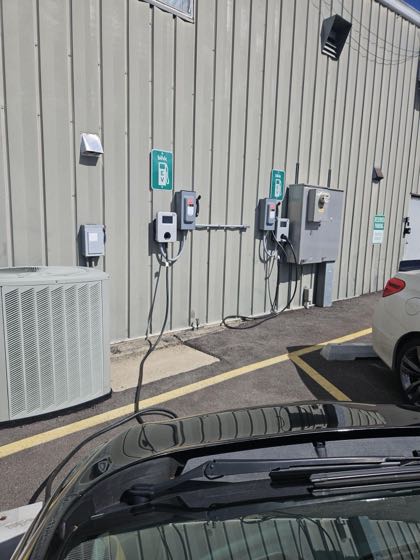 DC fast
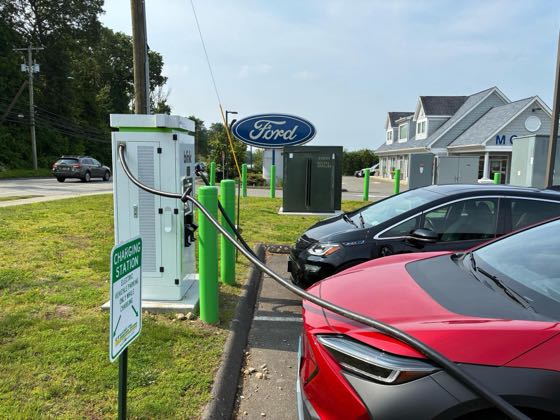 DC fast
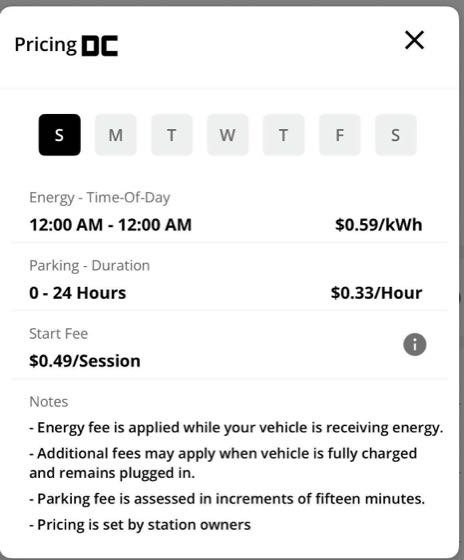 DC fast
See all 274 stations
Opens the directory with this network in the search box — then filter by state, power, price and distance.
Beyond this directory
The operator, in its own wordsBlink Charging Co. runs Blink. Puts chargers on host sites — hotels, workplaces, retailers, apartment buildings — and runs the network and the maintenance for the owner.
Blink's model is the host site. A hotel, a workplace or a shopping center takes the charger; Blink installs it, maintains it and runs the network behind it, which the company sells as turning an everyday location into a charging destination. That is why the stations here sit at car dealerships, hotels and retail rather than along a highway.
The product line covers Level 2 and DC fast in pedestals, wall mounts and mobile units, and the services around it are turnkey — installation, maintenance and round-the-clock support, including remote monitoring and over-the-air updates. For a network of mostly unattended sites, the monitoring is the part that decides whether a station is working when you arrive.
blinkcharging.com
Everything above is the operator's own account, read October 2026. It is not a count from this directory.
Blink: common questions
Coverage, power and priceHow many Blink charging stations are there?
EVDIR lists 274 public stations operated by Blink, across 17 states and 172 cities, with 841 charging stalls. 207 of them are open around the clock.
Who owns or operates Blink charging stations?
Blink Charging Co. is the company behind Blink. Puts chargers on host sites — hotels, workplaces, retailers, apartment buildings — and runs the network and the maintenance for the owner. The stations themselves are usually owned by the property they sit on, which is why the price and the opening hours differ from site to site.
Where are Blink stations?
The most are in Texas (73), California (60), New Jersey (24). Blink is one of 21 networks with at least 20 public stations in this directory; the smaller operators are listed on the station records they run.
How much does it cost to charge at Blink?
218 of its stations quote a per-kWh price, with a median of $0.49 and 82 at $0.40 or less. The price is set per site, so a station in one city can cost more than the same network in another.
How fast are Blink chargers?
229 stations are Level 2 (under 50 kW), 32 are DC fast at 50 kW or more, and 13 reach 150 kW or more. The power on a station page is the peak the record shows, not a guarantee at the plug.